Editable Mood Tracker Canva Templates – A Simple Tool for Better Self-Awareness
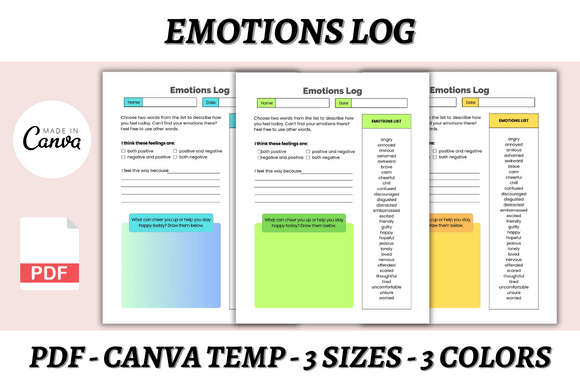
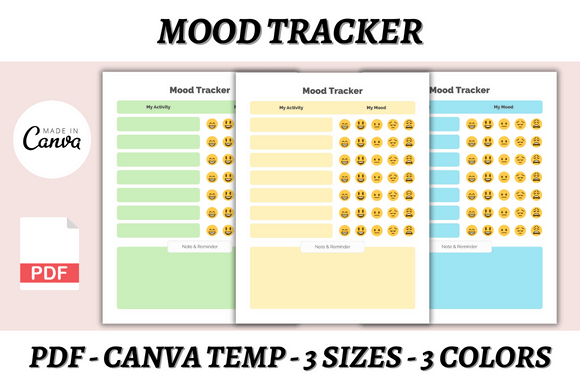
Mood tracking has become a quiet but powerful habit for many people who want to understand their emotional patterns, reduce stress, and make small adjustments that improve daily life. What once required a dedicated paper journal and a set of colored pens can now be done with a few clicks, thanks to Editable Mood Tracker Canva Templates. These ready-to-use designs give anyone the ability to create a personalized mood log without starting from scratch or learning complicated software. Whether you are a busy professional, a freelancer managing your own schedule, or a parent trying to keep up with the emotional ups and downs of a household, having a visual record of your feelings can be eye-opening. The best part is that these templates are completely editable, so you can tweak the colors, categories, and layout to suit exactly what you need. They come as a digital file that you access through a unique Canva link, making it easy to update, print, or share.
Modern life is full of triggers that can leave you feeling off balance. Work deadlines, social media comparisons, relationship dynamics, and even the weather can influence your mood more than you realize. By using a mood tracker template regularly, you start noticing patterns that might otherwise slip by. For example, you might discover that your energy dips every Tuesday afternoon, or that you feel more anxious on days when you skip breakfast. Once you see these trends, you can take small, informed actions. The editable nature of Canva templates means you are not stuck with a generic chart. You can add your own emojis, rewrite the prompts in your native language, or adjust the scale from simple happy/sad to more nuanced emotions like “hopeful,” “restless,” or “calm.” This flexibility is what makes Editable Mood Tracker Canva Templates so appealing to a wide audience.
Why Mood Tracking Matters More Than Ever
Remote work, long hours in front of screens, and the blurring of personal and professional time have made emotional self-awareness a critical skill. In 2025, many people are looking for small, manageable routines that support mental health without adding another chore to the day. A mood tracker fits that need perfectly. It takes just a minute or two to fill out, yet it provides long-term insights that can help you make better decisions about your schedule, relationships, and self-care. Professionals in high-stress fields such as healthcare, education, and tech have started using these trackers to identify when they are heading toward burnout. Entrepreneurs and creators use them to align their creative output with their natural emotional rhythms. The beauty of an editable mood tracker is that it can be as simple or as detailed as you want. You can track just one feeling per day, or you can log multiple factors like energy level, sleep quality, and social interactions.
The current trend toward personalization in wellness tools reflects a broader shift away from one-size-fits-all solutions. People want resources that adapt to their specific lives. This is where Canva templates shine. They are designed to be modified, so you can change the font, swap out icons, or even reorganize the whole page layout without any design experience. The templates come as an 8.5 x 11 inch document, which is the standard size for printing or viewing on most devices. That consistent size makes it easy to bind them into a notebook, keep them in a binder, or display them on a tablet. The fact that they are printable also means you can use them offline, which is a plus for anyone who prefers to write by hand. Yet because they are digital, you can also fill them out on your computer or iPad, saving paper if you want.
From Paper Journals to Digital Flexibility
Mood tracking is not a new concept. People have kept diaries and emotion logs for centuries. What has changed is the ease with which you can create, customize, and reproduce a tracker. In the past, you might have had to draw a grid by hand or buy a pre-printed journal that didn’t match your preferences. Now, with Editable Mood Tracker Canva Templates, you get a professional-looking design in minutes. The evolution from static paper to editable digital templates mirrors a larger trend in how we manage our personal data. We want tools that are both structured and flexible. The templates provide a solid framework, but you remain in control of the details. This hybrid approach appeals to adults who appreciate structure but also value creative freedom. You can use the same template month after month, or change it each time to keep things fresh.
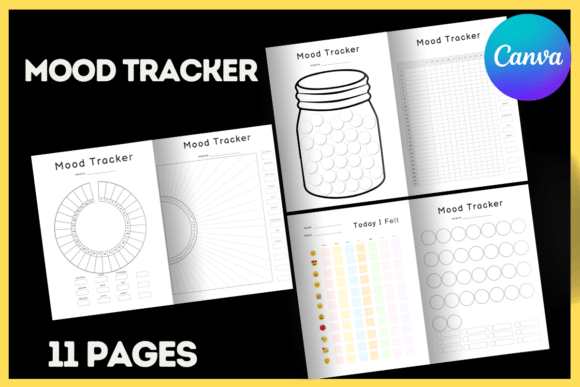
The transition has also been driven by the rise of digital design platforms like Canva, which have made graphic design accessible to everyone. You do not need to learn Photoshop or hire a designer. A few clicks let you change colors, add stickers, or insert your own photos. For mood tracking, this means you can match the tracker to your personal style—maybe a minimalist black-and-white layout or a vibrant rainbow aesthetic. The 11 pages included in this set give you enough variety to cover an entire season or to experiment with different tracking methods. Some pages might focus on a daily mood scale, while others might include space for notes, gratitude prompts, or a weekly review. Having multiple options in one file prevents you from getting bored and helps you find the format that clicks with your habit.
What Comes with These Editable Templates
Understanding exactly what you are getting helps you make an informed choice. This set includes:
- An editable Canva link – You receive a direct link to the original template on Canva.
- 11 pages – Each page offers a different layout or perspective on mood tracking, giving you plenty of variety.
- 8.5 x 11 inch format – Standard letter size, compatible with most printers and digital note‑taking apps.
- Fully customizable elements – All text, colors, shapes, and images can be edited in your own Canva account.
One important point: to keep the original link active, you should go to your Canva home, open the template, and make a copy in your own account. Work on that copy instead of the original. This ensures you always have a fresh original to fall back on, and it prevents accidental changes to the source design. It is a simple step that protects your investment and allows you to reuse the template over and over. Many users miss this step and then wonder why their edits disappear. By making a copy first, you own the version you personalize, and the original remains untouched for future use.
How to Make the Most of Your Mood Tracker
Having a beautiful template is only half the equation. Using it consistently is what creates real value. Here are a few practical tips:
- Set a daily reminder – Pick a time of day that feels natural, like after breakfast or before bed. A short phone alarm can help you build the habit.
- Start simple – Do not try to track ten different emotions at once. Begin with a single scale, like happy, neutral, or unhappy. Add more categories once logging feels automatic.
- Use the customization options – If a certain color or icon does not resonate with you, change it. The ability to edit the template is there for a reason.
- Review weekly – At the end of each week, look back at your entries. Notice any trends. Ask yourself what influenced the low days and what you could replicate on the high days.
- Combine with other tools – Some people add sleep data, workout logs, or food notes on the same pages. The blank space in these templates can be adapted for that.
Because the templates are editable, you can also tweak them as your needs change. A student might start with a simple tracker and later add sections for exam stress. A freelancer might evolve the tracker to include client interactions and project milestones. The design grows with you.
Who Benefits from Using Canva Mood Trackers
The audience for these templates is broad, but a few groups find them especially useful:
- Professionals and entrepreneurs – They track mood to optimize productivity and avoid burnout.
- Creators and bloggers – They use trackers to see how their creative energy fluctuates and to plan content around peak times.
- Educators and students – Mood logs help in understanding the emotional impact of workload and social dynamics.
- Hobbyists and curious readers – Anyone interested in self‑reflection can benefit from a structured yet flexible tool.
- Business owners – Some use mood tracking in team settings to gauge workplace morale, though these templates are designed for personal use.
No matter your background, the act of pausing once a day to check in with yourself is a small but powerful practice. The templates make that pause feel intentional rather than cumbersome.
A Note on Keeping Your Original Link Active
When you access an Editable Mood Tracker Canva Template through the provided link, the designer expects you to make a copy rather than editing the original. This is a common best practice for digital products. Here is how it works:
- Open the link and the template will appear in your browser.
- Go to the Canva menu and select “File” then “Make a copy” (or use the “Use template” button if available).
- The copy will be saved in your own Canva account. Work exclusively on that copy.
- The original remains unchanged, so you can always return to it if you want a fresh start.
This method ensures long‑term access. Even if the original link is updated or shared with others, your copy remains independent. It is a simple step that prevents frustration and keeps the design function exactly as intended. Always make a copy before editing.
The Future of Personal Well‑Being Tools
Looking ahead, the integration of digital templates into everyday self‑care routines will likely deepen. People are moving away from rigid planners and toward flexible, customizable systems. Editable mood trackers fit this shift perfectly. They offer the structure of a journal without the limitations of a fixed design. As more users become comfortable with tools like Canva, they will expect all their personal productivity and wellness resources to be editable. This set of 11 pages is a step in that direction. It gives you the foundation, and you bring the personalization.
If you enjoy using these templates, following the designer’s profile for new products is a good idea. Designers who focus on editable templates often release new themes, additional page counts, and specialized trackers (for sleep, exercise, habits, etc.). Staying connected gives you early access to tools that can further enrich your self‑awareness practice. And because each new product also comes with an editable Canva link, you can apply the same “make a copy” approach to keep everything organized.
In a world that constantly demands your attention, taking a few minutes each day to track your mood is an act of self‑respect. It is a quiet, data‑driven way to honor your feelings without getting lost in them. Editable Mood Tracker Canva Templates make that process easy, beautiful, and deeply personal. Whether you print them out or edit them digitally, you are building a habit that pays off in clarity and calm. And with 11 pages to explore, you have plenty of room to find what works best for you.
Start with a copy, edit freely, and notice what changes. Your moods are worth tracking, and now you have the perfect tool to do it.