Mental Health Vertical Flyer for Awareness Campaigns
Creating effective mental health awareness materials requires a balance of visual clarity, emotional sensitivity, and practical information delivery. The Mental Health Vertical Flyer template offers a streamlined approach to designing treatment brochures, awareness flyers, and banner layouts that communicate care and competence. Whether you work in a clinic, run a wellness program, or need to produce educational content for a community initiative, this design resource helps you present information in a way that resonates with diverse audiences.
Why a Purpose-Built Template Matters for Mental Health Communication
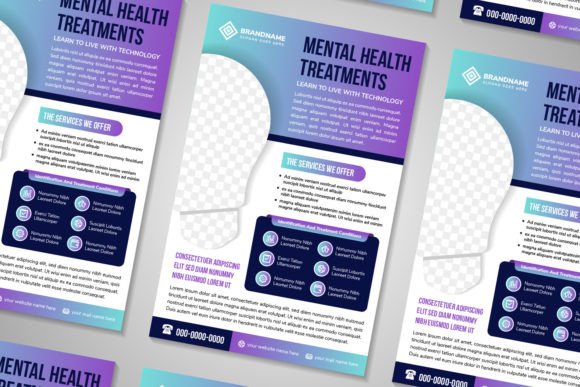
Mental health topics demand particular care in visual presentation. A cluttered or overly complex design can overwhelm readers who may already be navigating sensitive emotional terrain. The Mental Health Vertical Flyer addresses this challenge directly. Its purple and blue gradient background creates a calm, professional tone without feeling cold or sterile. The white background with a bulb light shape provides intentional photo space, letting you feature real images or illustrations that humanize the message.
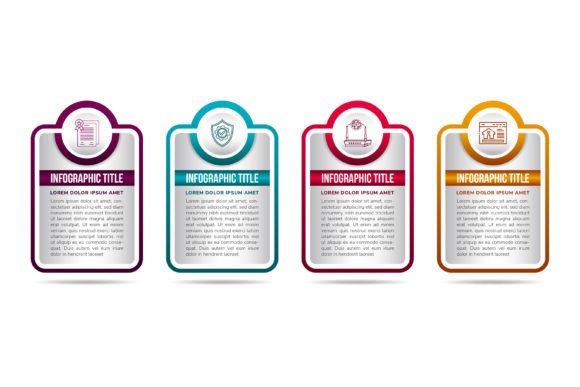
When you use a template designed specifically for this context, you avoid the guesswork of arranging elements from scratch. The infographic icons are pre-placed and ready to support key statistics, treatment steps, or awareness messages. This structure saves time while ensuring your content follows established visual hierarchy principles. For busy professionals juggling multiple responsibilities, that efficiency translates directly into faster project turnaround without sacrificing quality.
Practical Benefits for Marketers and Clinic Communications
If you manage marketing for a hospital, mental health practice, or nonprofit organization, you know that consistent branding across materials builds trust. The Mental Health Vertical Flyer comes in high resolution at 300 DPI, which means your printed brochures and posters maintain crisp text and smooth gradients. The vector-based graphics scale without losing quality, so you can adapt the same design for digital use on social media, email newsletters, or your website.
Editable text, shapes, and colors give you full control over messaging. You can adjust the tone for different campaigns, whether you are promoting a new treatment program, raising awareness about emergency resources, or sharing educational content about biology and mental health. The included file formats—AI, EPS, JPG, and SVG—cover nearly every workflow scenario. Designers can work with layered source files in Adobe Illustrator, while team members who need quick edits can use the JPG or SVG versions for simpler updates.
Consider a community health fair where you need to produce 500 flyers and a matching banner. With this template, you can maintain visual consistency across both formats. The vertical layout aligns well with standard A4 printing, but the vector file allows you to adjust dimensions for posters or booklet covers without restarting your design process. That flexibility matters when deadlines are tight and budgets are limited.
Who Benefits Most from This Design Resource
This template suits a wide range of users, but certain groups will find its features particularly valuable. Small business owners in the wellness space—private counselors, holistic health practitioners, or coaching professionals—often lack in-house design support. The Mental Health Vertical Flyer gives them a professional starting point that does not require advanced design skills. They can replace placeholder text with their own services, swap in relevant icons, and produce materials that look as polished as those from larger organizations.
Educators and trainers who develop mental health curriculum or workshop materials will appreciate the structured layout. The infographic sections are ideal for presenting statistics about mental health prevalence or step-by-step coping strategies. You can use the bulb light area to insert a photograph that illustrates a positive outcome or a supportive environment. This visual-anchoring technique helps abstract concepts feel concrete and relatable.
Freelance graphic designers and marketers who serve healthcare clients will find the template reduces project setup time. Instead of building a new composition for every client, you can use this file as a starting point and customize the color palette, icon set, and typography to match different brand guidelines. The modern, corporate-appropriate aesthetic works for both internal communications and public-facing materials.
Use Cases That Showcase the Template's Strengths
A mental health awareness campaign needs materials that inform without alarming. The purple and blue gradient evokes calmness and professionalism, which aligns with the sensitive nature of the topic. You might use the flyer to announce a free screening event at a local clinic. The photo space lets you feature a welcoming image of your facility or staff, helping to reduce anxiety for first-time visitors.
For a treatment brochure, the infographic icons can illustrate a patient's journey from intake to follow-up care. The clean layout ensures that important phone numbers, website URLs, and emergency contacts stand out. In urgent situations, clarity is not just a design preference—it can directly affect someone's ability to access help.
Researchers and program coordinators can adapt the template for grant reporting or community presentations. The structured sections work well for summarizing program outcomes, demographic data, or service utilization rates. The professional appearance lends credibility to reports shared with funders or board members.
Considerations When Using a Pre-Designed Template
No single template fits every scenario perfectly. The Mental Health Vertical Flyer is designed for a vertical layout, which works best for posters, flyers, and A4 documents. If your project requires a horizontal format for social media covers or wide banners, you may need to adapt the composition within your design software. The vector file gives you the freedom to rearrange elements, but that does require some familiarity with Adobe Illustrator or similar tools.
The template comes with editable colors, but the built-in purple and blue gradient is a deliberate choice that supports the mental health theme. If your organization uses a different color scheme, you will need to adjust the gradient accordingly. The file is well organized with labeled layers, so making those changes is straightforward for anyone comfortable with basic design workflows.
For users who need a completely print-ready file with no edits, the included JPG and SVG formats offer immediate drop-in solutions. However, for full customization, the AI and EPS files are the better options. Consider your team's technical skills and software access before choosing which format to start with.
Practical Recommendations for Getting the Most Out of the Template
Start by identifying the primary message you want to communicate. The bulb light shape naturally draws attention, so place your most important visual element there—a photo of a supportive care setting, an impactful statistic graphic, or a simple image that represents hope and recovery. Keep the surrounding text concise and action-oriented. People scanning a mental health flyer may be looking for immediate help or clear next steps. Make phone numbers, website addresses, and call-to-action phrases easy to locate.
Use the infographic icons to break up text-heavy sections. A well-placed icon can communicate a concept faster than a paragraph of text. For example, a brain icon paired with a short bullet list about stress management techniques gives readers a quick reference they can absorb at a glance.
Consider accessibility. The high contrast between the white background and the darker text ensures readability. Avoid adding too many decorative elements that might distract from the core message. The template's minimal aesthetic already supports this principle, so trust the layout and avoid overcomplicating your content.
Final Observations on the Template's Value
The Mental Health Vertical Flyer balances professional polish with practical usability. It acknowledges that mental health communication requires thoughtfulness, not just decorative appeal. By providing a structured yet flexible foundation, it lets you focus on what matters most: crafting a message that connects with people who need information, support, or encouragement.
For anyone involved in health education, clinic marketing, or community outreach, this resource simplifies the production process without compromising on quality. It meets the real-world need for materials that are both visually engaging and respectful of the subject matter. When you choose a template built with care for this specific context, you are not just saving time—you are also honoring the trust that your audience places in the information you share.